
Here is an illustration, not a real case. A buyer searching for a pushchair finds a well-known travel system at a price far below every other shop. The seller’s page has no street address, and a message arrives asking for a bank transfer today because “only one is left”. Citizens Advice, writing for England, has guidance on exactly these signs and on what to do afterwards. The pages were read on 27 October 2026. Citizens Advice also publishes versions for Northern Ireland, Scotland and Wales, so readers elsewhere should use the version for their nation.
Which signs does Citizens Advice list?
Its starting point is that if something seems too good to be true, it might be a scam. It adds that a scam often starts when someone unknown makes unexpected contact. In its list of signs that something might be a scam, it includes:
- a suspicion that the buyer is not dealing with a real company, for example because there is no postal address;
- being asked to transfer money quickly;
- being asked to pay in an unusual way, such as iTunes vouchers or a transfer service like MoneyGram or Western Union;
- being asked for personal information like passwords or PINs;
- having no written confirmation of what has been agreed.
One caution runs the other way. Citizens Advice says paying more for something than it is worth is not the same as being scammed, because a scam usually involves theft or fraud, and a buyer who has overpaid has other rights.
How can a shop the buyer has never used be checked?
For a site not used before, Citizens Advice suggests spending a few minutes on it, starting with the terms and conditions. The company’s address should have a street name, not just a post office box. A company’s details can be searched on GOV.UK, which shows whether it is a registered company. Reviews should be sought on different websites rather than relying on those the company has put on its own site. The padlock in the browser address bar does not guarantee that the buyer is dealing with a real company.
What does the payment method change?
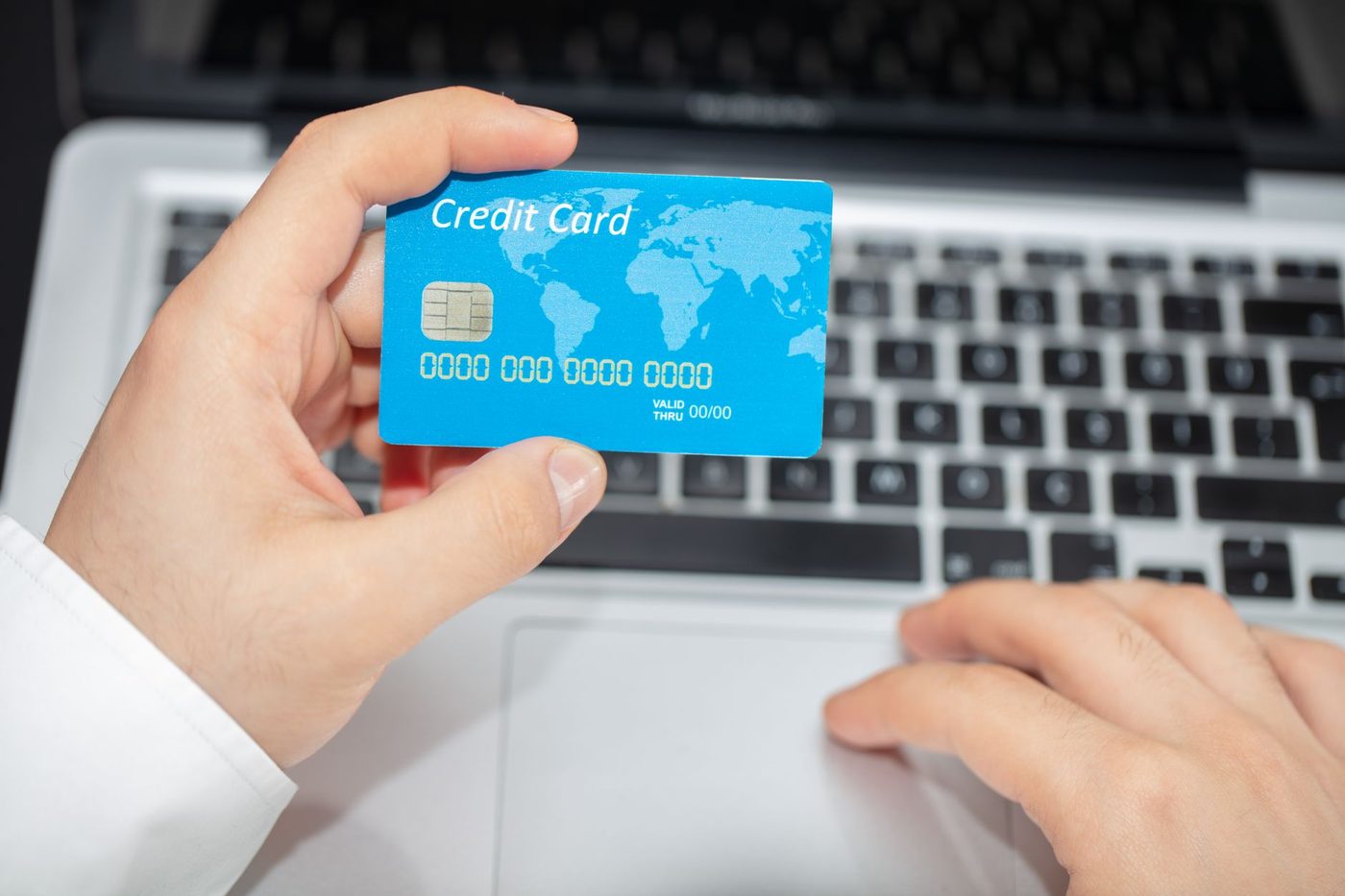
Citizens Advice says paying by card gives extra protection if things go wrong. Its page on getting money back after a scam sets out the position by method:
- Debit card: the chargeback scheme can be used however much was paid.
- Credit card: section 75 of the Consumer Credit Act 1974 may apply to a qualifying purchase of a single item with a cash price of more than £100 and no more than £30,000. At £100 or less Section 75 does not apply, but Citizens Advice says chargeback can be used.
- Money from a PayPal account: a dispute should be opened with the seller.
- Bank transfer: according to Citizens Advice and the Payment Systems Regulator (PSR), mandatory APP-scam reimbursement protections apply to eligible UK-to-UK Faster Payments and CHAPS transfers made on or after 7 October 2024, subject to the scheme’s rules and exceptions. BACS, SWIFT and international transfers fall outside this scheme, but other recovery or complaint routes may still be available. The PSR says a victim should first contact the bank or building society.
- Vouchers, gift cards or money transfer services: it says a refund is unlikely.
This site’s guide to paying for a pram by card covers chargeback and Section 75 in more detail, and the guide to buying a pram on an online marketplace covers who the seller is.
What about the name on the bank account?
When a payment goes to a new payee, the bank or building society checks the name used. Citizens Advice says that if the names are similar but not exact, payment should only be made when the buyer is sure the account belongs to the right person or business. If the names are completely different, it says not to pay unless the details have been checked, and that a scammer might have sent a fake invoice. A genuine seller should not pressure a buyer to pay straight away. If the details are confirmed and the buyer decides to pay, Citizens Advice says it is a good idea to start by transferring £1 and check it reached the right account. A successful £1 transfer only shows that the money reached an account; it does not show that the seller is genuine or that an order will arrive.
Where is a suspected scam reported?
Citizens Advice says to gather all the details (who was contacted, why it seemed suspicious, what information was shared, whether money was paid and how) and then report. Its reporting page lists:
- the Citizens Advice consumer service, which passes reports to Trading Standards;
- Report Fraud, which it describes as the UK’s national reporting centre for fraud, and which gives a crime reference number;
- the Advertising Standards Authority for an online scam advert;
- the police on 101 if the scammer is in the buyer’s area or money was transferred in the last 24 hours, and 999 if the buyer feels threatened or unsafe.
If an item arrives that was never ordered?
Citizens Advice says that, if it was not a gift, it could be a scam. It suggests checking recent orders on the account, telling the retailer or marketplace, and changing the account password.
Is reporting worthwhile if the money is gone?
Citizens Advice says reporting helps track down and stop scammers and can prevent other people being scammed.
The bottom line
On the Citizens Advice pages for England, a price that seems too good to be true, an unusual payment request, a missing address and pressure to pay quickly are each listed as reasons for care. The page on getting money back says protection depends on how the payment was made, with cards and recent bank transfers treated differently from vouchers or money transfer services. Anyone who suspects a scam can report it to the services above.
Sources
- Check if something might be a scam (citizensadvice.org.uk)
- Check if you can get your money back after a scam (citizensadvice.org.uk)
- Report a scam (citizensadvice.org.uk)
- Consumer Credit Act 1974, section 75 (legislation.gov.uk)
- APP scams (psr.org.uk, Payment Systems Regulator)